Recycling and Sustainability at East Finchley Storage
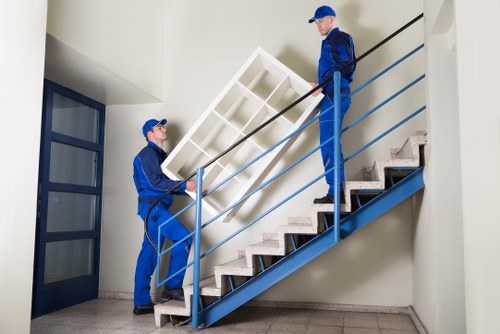 At East Finchley Storage, sustainability is part of everyday operations, not an add-on. Our approach to recycling and environmental care is shaped by the wider North London community, where boroughs continue to improve waste separation, encourage reuse, and support cleaner logistics. We aim to make storage a more responsible choice by reducing waste, working with local partners, and using transport solutions that lower emissions. For customers looking for East Finchley storage that takes sustainability seriously, our commitment is simple: store well, waste less, and reuse more.
We have set a clear recycling percentage target to help guide our internal operations and improve performance year on year. The goal is to divert at least 90% of operational waste away from landfill through recycling, reuse, and responsible recovery routes. This includes cardboard, shrink wrap, paper, wood, pallets, metal, and approved plastics from day-to-day site activity. By measuring the East Finchley Storage recycling rate regularly, we can identify where more material can be separated correctly and where additional training or improved sorting facilities can make a difference.
That separation work matters because local waste systems in nearby boroughs tend to be organised by material type, with mixed recycling, food waste, garden waste, and residual waste collected in distinct streams. In practice, this means our team is attentive to how materials are sorted before they leave the site. We support borough-style waste separation by keeping clean cardboard apart from general rubbish, setting aside recyclable plastics, and ensuring hazardous items are handled through appropriate specialist routes.  It is a practical way to reduce contamination and improve the quality of each recycling load.
Local Transfer Stations and Responsible Waste Movement
One of the most important parts of a recycling and sustainability strategy is where waste goes next. East Finchley is well placed to use local transfer stations that help consolidate recyclable materials before they are sent to approved reprocessing facilities. Using nearby transfer stations reduces unnecessary long-haul journeys, improves collection efficiency, and keeps material moving quickly through the right waste stream. For storage recycling in East Finchley, this local routing is a practical way to reduce carbon impact while still ensuring materials are handled properly.
Transfer stations also support better sorting of materials that need additional separation before final treatment. For example, wooden packaging, mixed recyclable cardboard, and certain plastics can be baled or grouped by grade, while residual waste is kept separate for safe disposal. This reduces the chance that recyclable items are lost in general waste and helps maintain the value of recovered materials. Our focus on local infrastructure reflects a wider East Finchley Storage sustainability philosophy: keep processes efficient, keep materials recoverable, and keep journeys as short as possible.
East Finchley Storage also works with suppliers and waste contractors that share our environmental priorities. Where possible, we favour partners who demonstrate strong recycling performance, compliant disposal practices, and transparent reporting. This approach helps us manage waste responsibly across all parts of the business, from packaging materials to routine operational clear-outs.  By choosing transfer and processing partners carefully, we can support the boroughs’ broader efforts to improve recycling rates and reduce the pressure on landfill and incineration.
Partnerships with Charities and Reuse First
We believe the most sustainable item is often the one that does not need to be thrown away. That is why charity partnerships are central to our recycling and reuse work. When furniture, office equipment, books, household items, or other goods are still usable, we aim to direct them toward charities, reuse organisations, and community groups rather than treating them as waste. This extends the life of products, supports local causes, and reduces the environmental cost of manufacturing replacements. For customers seeking East Finchley storage with a low-waste mindset, this reuse-first approach is an important part of our service.
Charity partnerships can be especially valuable during storage clear-outs, seasonal transitions, or relocation projects when people may no longer need certain belongings. Rather than sending everything into the recycling chain, suitable items can be sorted for donation, refurbishment, or redistribution. That means less material enters the waste system, and more useful goods remain in circulation. It is a simple but effective way to combine sustainability with community benefit, while also supporting the borough-level emphasis on waste hierarchy: reduce, reuse, recycle.
Where donations are not possible, we still aim to recover as much material as we can. Cardboard packaging, paper records that are eligible for destruction and recycling, and pallet timber are among the most common materials handled through our environmental process. We also encourage careful separation of soft plastics, rigid plastics, and mixed packaging to make recycling easier downstream. In a city environment where different boroughs may apply slightly different waste rules, attention to sorting is especially important.  It helps ensure the materials leaving East Finchley Storage are fit for the next stage of treatment.
Low-Carbon Vans and Cleaner Transport
Transport is another major part of sustainability, and our move toward low-carbon vans is helping reduce the footprint of site operations. We use vehicles designed for improved fuel efficiency and lower emissions, with an increasing focus on cleaner powertrains as part of our long-term transition. For local journeys around North London, these vans help reduce air pollution and keep collections and movements as efficient as possible. In a dense urban area, every shorter, cleaner trip contributes to a more responsible East Finchley Storage recycling operation.
Low-carbon transport is particularly effective when paired with smarter logistics. By planning routes carefully and combining collections where possible, we reduce miles travelled and the amount of fuel used. This complements our recycling target by making the overall operation less resource-intensive. It also aligns with wider environmental goals across boroughs that are prioritising cleaner air, lower emissions, and better waste infrastructure. The result is a practical sustainability model: fewer unnecessary journeys, better material separation, and improved recovery of recyclable goods.
 Sustainability at East Finchley Storage is therefore about more than one initiative. It is a joined-up commitment that includes a high recycling percentage target, use of local transfer stations, partnerships with charities, and low-carbon vans. Around those core actions, we also support careful waste separation, reuse opportunities, and responsible handling of common materials such as cardboard, wood, metals, and plastics. By keeping the process local and thoughtful, East Finchley Storage helps create a cleaner, more efficient, and more sustainable storage experience for the community.