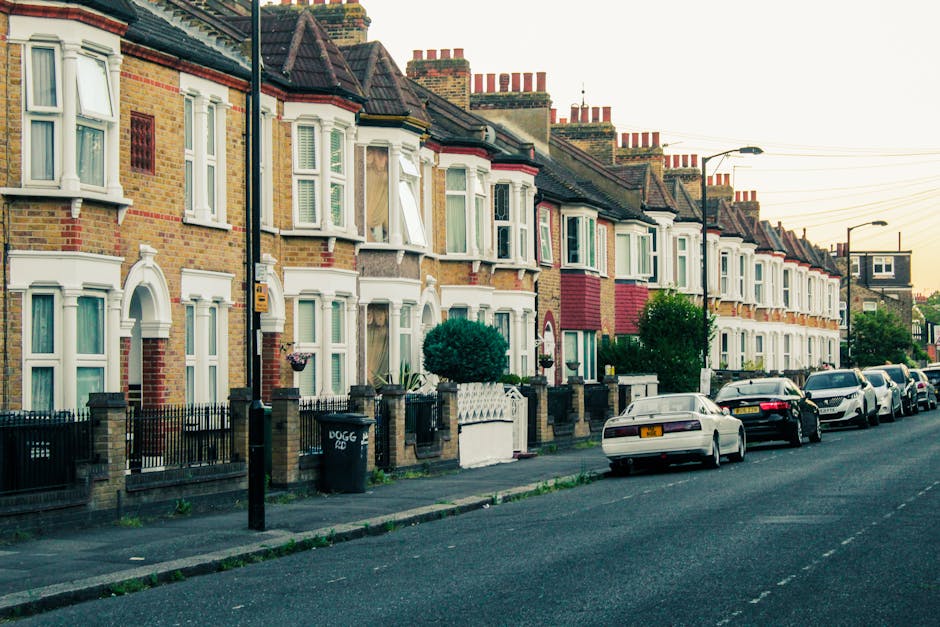
East Finchley N2 House Removals Guide for High Road Moves
Moving house in East Finchley can feel straightforward on paper and mildly chaotic in real life. If your move involves the High Road, the picture gets even more specific: busier traffic, tighter loading windows, neighbours who notice everything, and the usual London mix of parking pressure and awkward staircases. This East Finchley N2 house removals guide High Road moves is designed to help you plan properly, avoid common headaches, and make the day run with a bit less noise and a lot more control.
Whether you are leaving a family home near the High Road, moving into a flat off the main route, or simply trying to get furniture out without blocking the pavement for half the morning, the same principle applies: good preparation saves time, money, and stress. Let's break it down in a way that is actually useful.
Table of Contents
- Why East Finchley N2 house removals guide High Road moves Matters
- How East Finchley N2 house removals guide High Road moves Works
- Key Benefits and Practical Advantages
- Who This Is For and When It Makes Sense
- Step-by-Step Guidance
- Expert Tips for Better Results
- Common Mistakes to Avoid
- Tools, Resources and Recommendations
- Law, Compliance, Standards, or Best Practice
- Options, Methods, or Comparison Table
- Case Study or Real-World Example
- Practical Checklist
- Conclusion
- Frequently Asked Questions
Why East Finchley N2 house removals guide High Road moves Matters
High Road moves are not just "any old house removal". The High Road is one of those places where timing, access, and loading space can make a simple move feel like a puzzle. A van parked poorly can slow everything down. A lift that is too small can add thirty minutes per trip. A narrow hallway or busy morning traffic can turn a tidy plan into a queue of boxes and low-level frustration.
That is why a local-first approach matters. East Finchley N2 has its own rhythm, and removals here work best when you plan around it rather than against it. If you know your access points, your parking options, and what needs special handling, you are already ahead of the game. Truth be told, many stressful moves are not caused by the moving day itself. They start much earlier, with a rushed quote, poor packing, or the assumption that everything will somehow fit into one run.
A good house removals plan also helps you decide what you really need. For example, if the move is temporary, you may want to compare house removals support with removals and storage or even secure storage if there is a gap between leaving one property and entering the next. That little decision can save a lot of last-minute panic.
Practical takeaway: on the High Road, the smallest detail can have the biggest effect. Access, parking, and box labelling are not admin tasks. They are part of the move itself.
How East Finchley N2 house removals guide High Road moves Works
A well-run house removal in East Finchley usually follows a clear pattern. The best movers will ask questions before moving anything: what type of property is it, how many floors, how many rooms, what size van is needed, and whether there are items that need dismantling or extra care. That early conversation matters because it determines the vehicle, crew size, and loading approach.
On High Road moves, the practical side often starts with access checks. Can a van stop close enough to the entrance? Is there a bay, a permit issue, or a time restriction? Are there stairs, a communal corridor, or a lift that needs protecting? These questions may sound basic, but they shape the whole day. The difference between a smooth move and a frustrating one is often just a few metres of access space. Sounds small. It is not.
Typical house removals also involve packing, furniture protection, transport, unloading, and placement in the new home. If you need help with boxes, fragile items, or awkward shapes, a service such as packing services can make the difference between "nearly organised" and actually ready. And if you are moving from a smaller property, a van-only approach through man and van may suit you better than a larger full-team move.
To be fair, not every move needs the same level of support. A two-bedroom flat on the High Road is not the same as a full family house with wardrobes, garden furniture, and a piano nobody wants to think about until the last minute. The service should match the job.
Key Benefits and Practical Advantages
The strongest benefit of proper local removals planning is simple: less friction. You waste less time, you avoid damage, and you keep the day moving. But the practical gains go beyond that.
- Better timing: local knowledge helps you plan around traffic and access windows.
- Less lifting stress: fewer unnecessary trips and fewer heavy carry distances.
- Lower damage risk: the right packing and handling methods protect furniture and fragile items.
- More predictable costs: a properly scoped move is less likely to need rushed add-ons.
- Cleaner handover: you can empty the property properly and leave on better terms.
Another benefit people sometimes miss is emotional. A controlled move feels different. You are not trying to remember where the kettle is while standing in a hallway full of wardrobe doors. You know what is loaded, what is left behind, and what happens next. That calm matters.
If you are comparing services, start with the basics and work outward. The main removals page gives a broad view, while local removals is useful when you want something closer to the East Finchley/N2 reality. For properties with limited space or only a few items, small removals may be the more sensible fit.
Who This Is For and When It Makes Sense
This guide is for anyone moving home in East Finchley N2, but it is especially helpful if your move touches the High Road or nearby streets with busier access. It suits:
- homeowners moving out of a terraced house or larger family property
- tenants moving from a flat or maisonette with stairs or limited parking
- people moving within N2 who want a cleaner, faster local move
- families splitting a move across dates and needing storage in between
- anyone who has bulky furniture, fragile items, or only partial access at the property
It also makes sense if you are downsizing, which happens more often than people admit. One bedroom fewer, one sofa too many, a box of books that somehow became six boxes. You know the story. In that case, it can help to look at furniture storage or household storage if you need time to decide what stays and what goes.
This guide is less useful if you are just moving one small item and do not need any planning at all. Although, in London, that situation is rarer than it sounds.
Step-by-Step Guidance
Here is a straightforward way to organise a High Road house move without overcomplicating it.
- Survey the property. Walk through each room and note furniture, fragile items, awkward corners, and anything that needs dismantling.
- Check access. Look at doors, stairs, hallways, parking distance, and whether the van can stop close to the entrance.
- Decide what stays and what goes. Be honest. If you have not used it in years, this is the moment to question why it is still in the airing cupboard.
- Choose the right help. For a bigger family move, a full removals service may be best. For a lighter move, a man and van arrangement can be enough.
- Book packing support if needed. If you have glass, artwork, lamps, or a lot of breakables, packing services can reduce stress and damage risk.
- Label boxes clearly. Use room names, brief contents, and "fragile" only when it is genuinely fragile.
- Prepare an essentials box. Include chargers, tea bags, toiletries, toilet roll, medication, snacks, and a change of clothes. That first night always takes longer than you think.
- Confirm move-day details. Recheck timing, access instructions, and any storage needs the day before.
If there is a gap between leaving one home and entering the next, plan storage before moving day, not after. You can compare self storage with mobile self storage if you want a more flexible way to hold items temporarily.
A small note from real-world experience: a move often goes better when one person is clearly "in charge" of decisions. Otherwise every two minutes becomes, "Where should this go?" and nobody wants that. Nobody.
Expert Tips for Better Results
Good removals work best when you reduce surprise. Here are the tips that actually help on the day.
- Pack by load order, not by room alone. Put essentials and fragile items where they can be reached easily.
- Use furniture protection properly. Blankets, covers, and straps are not decoration.
- Measure large items before the move. Wardrobes and sofas often fail at the front door, not in the van.
- Keep screws and fittings with the item. A small bag taped to the furniture can save a lot of swearing later.
- Photograph cable setups. This is especially handy for TVs, internet gear, and office desks.
- Leave a clear path in the property. It speeds up loading and reduces trip hazards.
If you are using storage, choose the right level of security and access for what you are storing. Secure storage is sensible for valuables or items you will not need immediately. For longer transitions, long-term storage can be the calmer option.
Expert summary: The most successful East Finchley moves are usually not the fastest ones. They are the ones where the access, packing, and timing were thought through before the first box was lifted.
Common Mistakes to Avoid
Let's face it, most moving-day problems come from a handful of avoidable mistakes.
- Guessing the van size. Too small means multiple trips. Too large may be unnecessary.
- Ignoring parking realities. High Road access can be tighter than people expect.
- Leaving packing to the last night. That is how random objects end up in kitchen bins.
- Not telling movers about heavy or awkward items. Pianos, American-style fridges, and large wardrobes all need advance mention.
- Forgetting about storage needs. If completion dates do not line up, you need a plan.
- Overfilling boxes. Heavy boxes are harder to carry and more likely to split.
One more thing: do not assume every item can be moved in one clean run without thinking about weight distribution. Boxes of books are deceptively brutal. They look harmless. They are not.
Tools, Resources and Recommendations
You do not need fancy equipment to move well, but a few basics make life easier.
- Strong marker pens for clear box labels
- Sturdy tape that does not give up halfway through the job
- Furniture blankets and covers for protection
- Zip bags or small containers for screws, cables, and fixings
- Phone photos of room layouts and electronics setups
- Printed move notes if you prefer a physical checklist
For service-related planning, the most useful pages to review are usually pricing and quotes when you want to understand how jobs are scoped, and insurance and safety when you want reassurance on handling and protection. If you want to learn a little more about the people behind the service, about us is a sensible place to start.
And if you are moving business items as well as household belongings - maybe a home office, files, or spare stock - then business storage and document storage can be surprisingly useful. Mixed moves happen all the time.
Law, Compliance, Standards, or Best Practice
House removals in the UK are not usually complicated from a legal perspective, but there are still standards and best practices worth respecting. You may need to consider parking restrictions, property access rules, building management instructions, and reasonable care for shared spaces such as communal hallways or lifts. That is especially relevant in denser parts of East Finchley and around the High Road.
Good practice also means being honest about what needs moving, what requires special handling, and what should not be packed in a way that creates avoidable risk. If a mover has a health and safety policy, that is a good sign they take practical precautions seriously. The same goes for clear payment terms, transparent quotes, and sensible insurance arrangements. For readers who want a fuller view of how a provider handles these things, health and safety policy, payment and security, and terms and conditions are worth checking.
If you are disposing of old items, think about reuse and recycling rather than sending everything to waste by default. A responsible approach to moving often includes a bit of decluttering and a bit of recycling. Not glamorous, but it is the right thing to do. The page on recycling and sustainability can help set expectations.
Also, if something goes wrong, you should know the complaints route. That is not pessimistic; it is just sensible. Knowing how a provider handles issues builds trust before you ever need it.
Options, Methods, or Comparison Table
Different moves need different approaches. Here is a simple comparison to help you choose.
| Option | Best for | Strengths | Watch out for |
|---|---|---|---|
| Full house removals | Medium to large homes, family moves, heavy furniture | More support, better for bigger jobs, less physical strain | Needs careful planning and accurate inventory details |
| Man and van | Small households, short moves, limited items | Flexible, practical, often quicker to arrange | May not suit larger or more complex properties |
| Removals with storage | Gaps between move-out and move-in dates | Helps reduce timing pressure and keeps items safe | Requires a bit more coordination |
| Self storage | People wanting access and control over belongings | Flexible if you need to retrieve items later | Needs your own loading plan and organisation |
In many East Finchley moves, the best answer is not one option forever. It is a mix. A family may use removals for the main furniture, storage for overflow items, and a smaller van for urgent essentials. That blended approach is often the most realistic one.
Case Study or Real-World Example
Imagine a typical High Road move: a two-bedroom flat, one third-floor walk-up, one sofa that barely fitted in when it arrived, and a move-out date that is only partly aligned with the new tenancy. On paper, it looks manageable. In practice, the stairs are narrow, parking is tighter than expected, and the client still needs access to a few items before the new place is ready.
The smoother version of that move starts two weeks ahead. Boxes are labelled by room. The sofa dimensions are checked. The client books a smaller team for the first load and arranges removals and storage for items not needed immediately. A fragile mirror is packed separately. The essentials box contains bedding, toiletries, and kettle supplies, because nobody wants to hunt for the teabags at 9:15 pm after a long day.
By move day, the team has a clear access plan, the loading path is clear, and the awkward furniture is handled once instead of three times. Not every move will be perfect, but this one feels controlled. That is the real win. No drama, no frantic repacking on the pavement, no wondering where the kettle vanished to. Just a steady job done properly.
Practical Checklist
Use this checklist the week before your move. It keeps the essentials in one place.
- Confirm moving date and arrival time
- Check parking and access at both properties
- Measure large furniture and doorways
- Book packing help if needed
- Decide whether you need storage
- Set aside valuables and documents
- Label boxes by room and priority
- Prepare an essentials box
- Disassemble items that can be safely taken apart
- Notify neighbours or building management if relevant
- Keep payment, inventory, and contact details handy
- Plan recycling or donation for unwanted items
If you are dealing with a smaller move, remember that small removals can be a neat fit. If the move is for a flat specifically, flat removals may match your needs better than a broad household service. Matching the service to the property saves hassle. Simple, really.
Get a free quote today and see how much you can save.
Conclusion
A successful East Finchley move is usually built on small, sensible decisions: the right van, a realistic packing plan, good access information, and a storage backup if dates do not quite line up. High Road moves can be busy and slightly unforgiving, but they are very manageable when you prepare with local conditions in mind.
If you remember only one thing from this guide, make it this: do not leave the tricky parts until the morning of the move. Parking, packing, storage, and access details are the things that make the day easier or harder. Handle those early and the rest tends to fall into place.
And honestly, that calmer finish matters. There is something comforting about standing in a new room, hearing the last box set down, and realising the move went better than expected. Small relief, big feeling.
Frequently Asked Questions
What makes High Road moves in East Finchley different from other house removals?
High Road moves often involve busier traffic, tighter parking, and more attention to timing than a quieter residential street. That means access planning and clear communication matter more than usual.
Do I need a full removals service or just a man and van?
It depends on the size of your property and how much furniture you have. A full removals service suits larger or more complex moves, while a man and van can be enough for smaller households or lighter loads.
How far in advance should I book a house move in East Finchley?
Earlier is generally better, especially if your move involves peak periods, limited access, or storage. Booking ahead gives you more choice and a better chance of matching the right service to the job.
What should I do if my move-out and move-in dates do not line up?
Consider storage as part of the plan rather than an afterthought. Options such as removals and storage, self storage, or secure storage can help bridge the gap without turning the day into a rush.
Is packing service worth it for a local move?
Yes, if you have fragile items, limited time, or a lot of packing to do. Packing services are especially useful when you want to reduce breakage risk and speed up move day.
How can I make a flat move easier on the High Road?
Measure access points, label boxes carefully, and tell the mover about stairs, lifts, or parking issues in advance. Flat removals usually run better when the access details are clear from the start.
What items are best kept in storage during a move?
Items you do not need immediately, bulky furniture, spare household items, and anything waiting for a later decision are all common storage candidates. Furniture storage and household storage are often the most practical choices.
How do I choose between self storage and mobile self storage?
Self storage suits people who want direct access to their items. Mobile self storage can be more convenient if you prefer the storage to come to you first, especially during a move with a lot of loading already happening.
Are there any safety issues I should think about on moving day?
Yes. Keep pathways clear, lift carefully, protect floors where needed, and make sure heavy items are handled properly. A provider's health and safety policy and insurance approach are worth checking before you book.
What is the biggest mistake people make with house removals?
The most common mistake is underestimating access and time. People often think the move is just about getting things into a van, but in reality the route through the property, the parking, and the packing make the biggest difference.
Can I move office items at the same time as household goods?
Yes, though it helps to separate them clearly. If you have files, furniture, or equipment from a home office, office removals and document storage can be useful alongside your house move plan.
Where can I find general information about the company before booking?
You can review the about us page for background, the pricing and quotes page for how costs are presented, and the terms and conditions page for service expectations. That gives you a better sense of what to expect before you commit.
What if I need to complain or ask about a problem after the move?
It is sensible to know the complaints procedure before you book. Good service providers make it clear how issues are handled, which is reassuring even if you never need it.